Umar Khalid moves Delhi High Court for bail in UAPA case
His appeal challenges a trial court order rejecting bail and is scheduled to be heard on Friday.
PTI
-
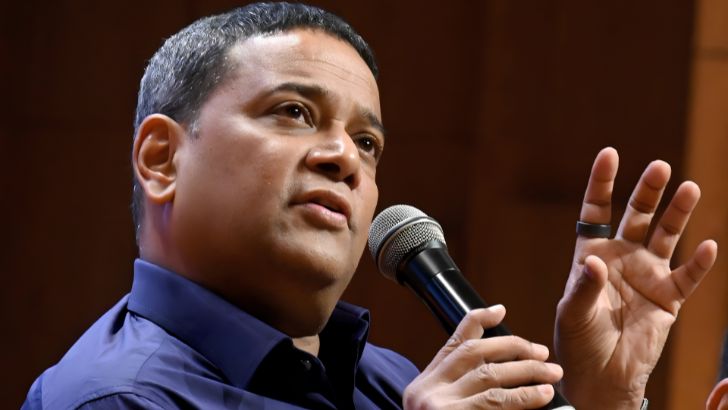
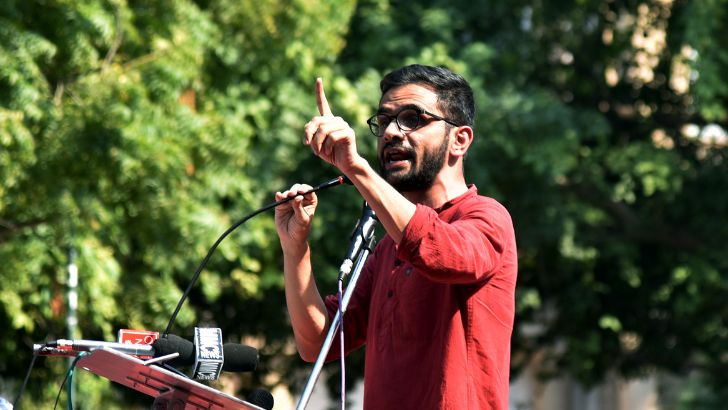
Umar Khalid has been in judicial custody since his arrest in September 2020 (ANI)
New Delhi, Jul 30
Activist Umar Khalid has approached the Delhi High Court seeking bail in a case under the anti-terror law UAPA concerning the "larger conspiracy" behind the February 2020 riots in the city's northeastern parts.
Khalid's appeal challenging the trial court's July 4 decision to dismiss his bail application is listed for hearing before a bench of Justices Prathiba M Singh and Vikas Mahajan on Friday.
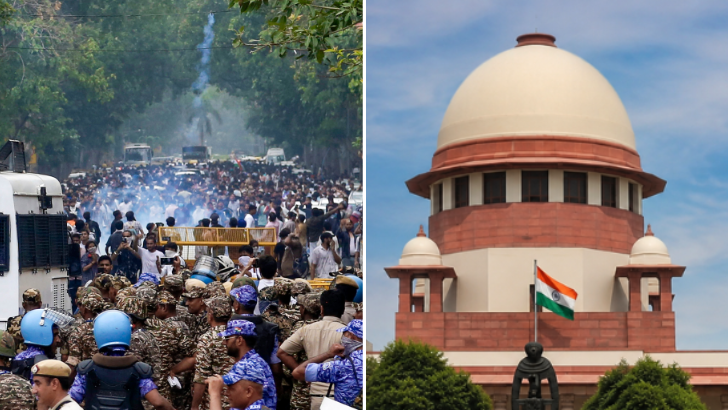
Khalid, arrested in September 2020, was booked under the Unlawful Activities (Prevention) Act (UAPA) for being one of the "masterminds" of the February 2020 riots that had left 53 people dead and more than 700 injured.
The violence erupted during protests against the Citizenship (Amendment) Act (CAA), 2019, and the National Register of Citizens (NRC).
Activists Sharjeel Imam, Khalid Saifi and former Aam Aadmi Party (AAP) councillor Tahir Hussain, among others, were also booked for their alleged involvement in the larger conspiracy case, which is being investigated by the Delhi Police's Special Cell.
On July 4, the trial court rejected his bail application, saying it had "no option but to follow" the Supreme Court's January 5 order and, therefore, could neither entertain the plea nor grant him the relief.
On September 2, 2025, a high court division bench had denied bail to Khalid.
On January 5, the Supreme Court upheld the verdict, but granted the relief to co-accused Gulfisha Fatima, Meeran Haider, Shifa Ur Rehman, Mohammad Saleem Khan and Shadab Ahmad.
A bench of Justices Aravind Kumar and N V Anjaria had then observed that there was a prima-facie case against Khalid and Imam under the UAPA and held that all accused could not be treated equally in view of the "hierarchy of participation".
Share Now

Leave a Reply
Your email address will not be published. Required fields are marked *
Other Stories